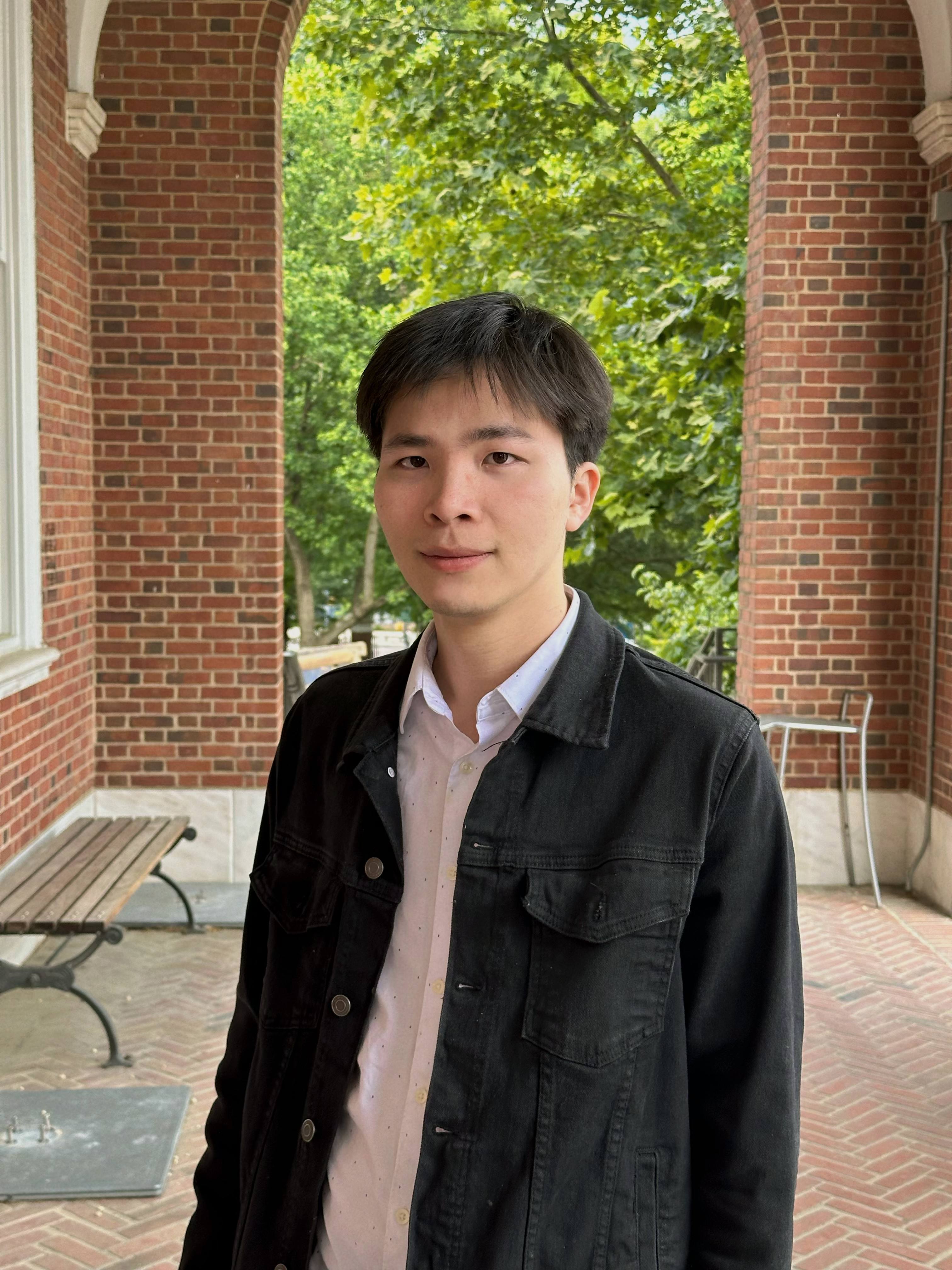
Jieneng Chen
Pronounce: jee-eh-nung · 陈杰能 · Email: jienengc [at] stanford.edu
I am a postdoctoral researcher at Stanford SVL, working with Jiajun Wu. I received my PhD in Computer Science at Johns Hopkins University in 2026, advised by Alan Yuille.
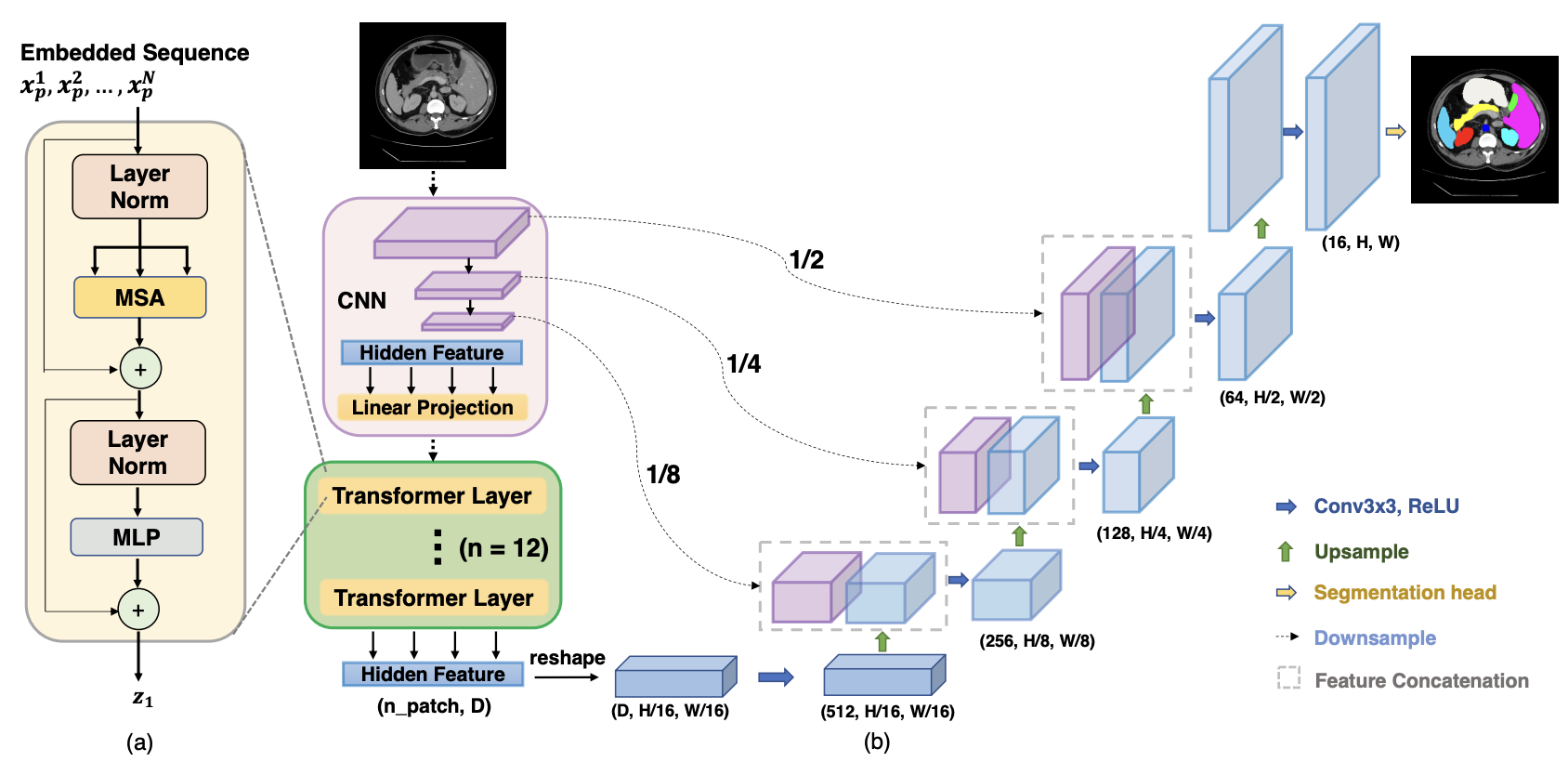
I study intelligence in the physical world by structuring raw observations into spatial code. My works laid the foundation, spanning vision encoders and world models. I am best known for TransUNet, which combines local and global context and is widely recognized as one of the first Transformers for biomedical image analysis. It has received over 10,000 citations.
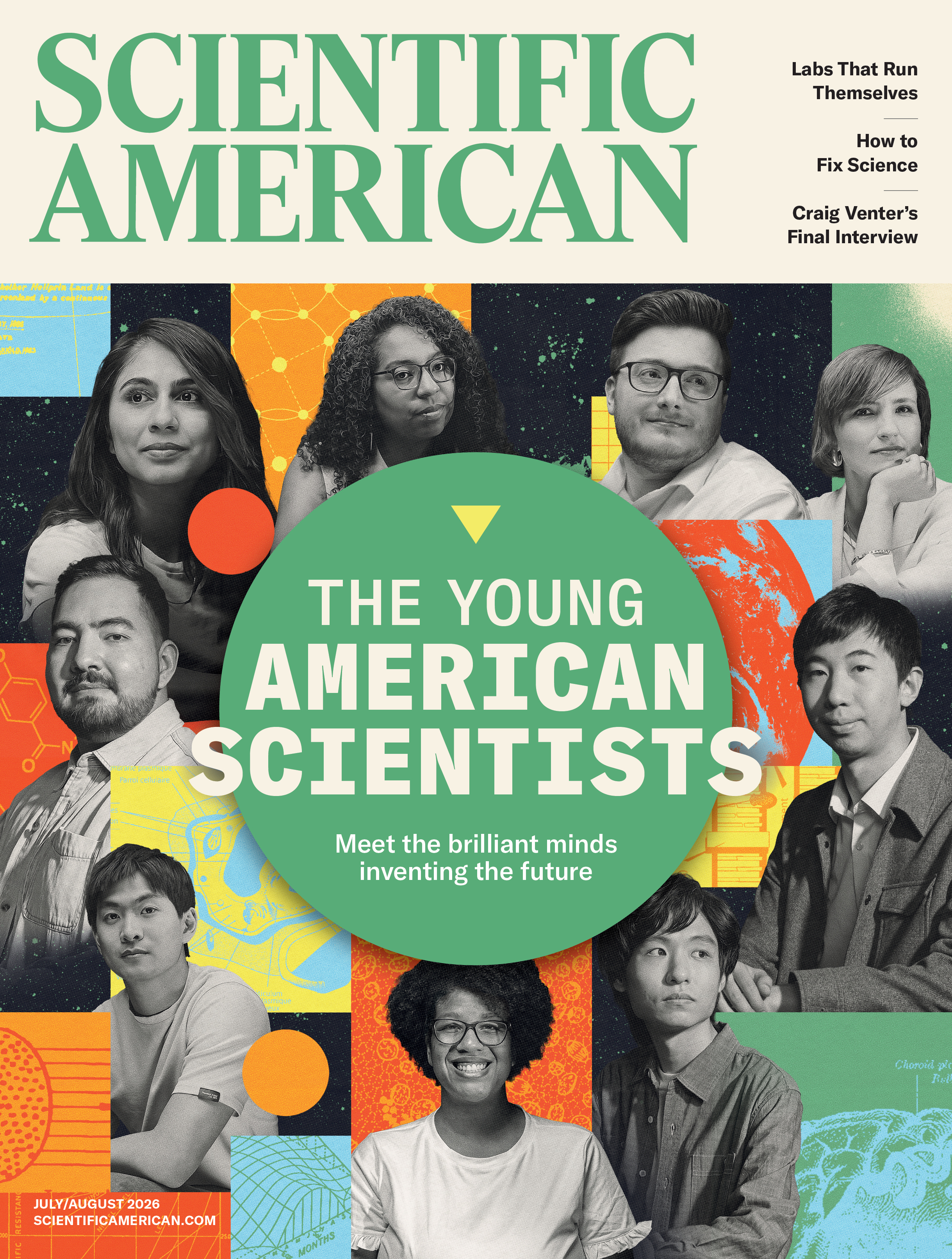
I am honored as a Young American Scientist by the pretigious magazine Scientific American, a Siebel Scholar in bioengineering, and a recipient of a few best paper awards.
- 07/2026.
 I am deeply honored to be recognized by Scientific American as one of the Young American Scientists. The magazine has inspired my curiosity about science since childhood.
 - 07/2026. Invited to serve as Area Chair for ICLR 2027 and AAAI 2027.
- 06/2026. Co-organized WMAS (World Model Meets Active Sensing) and GCV (Generative Computer Vision) workshops at IEEE/CVF Computer Vision and Pattern Recognition Conference (CVPR) 2026.
- 04/2026. World-in-World is selected as Oral presentation (top 1% of submissions) in ICLR 2026.
- Happy to chat if you’re looking for research collaboration or research opportunities.
When we watch a ball bounce, we do more than recognize pixels. We infer 3D structure, anticipate what may happen next, and reason about physical interactions over time. What representation could give machines the same ability to understand and act in a dynamic world?
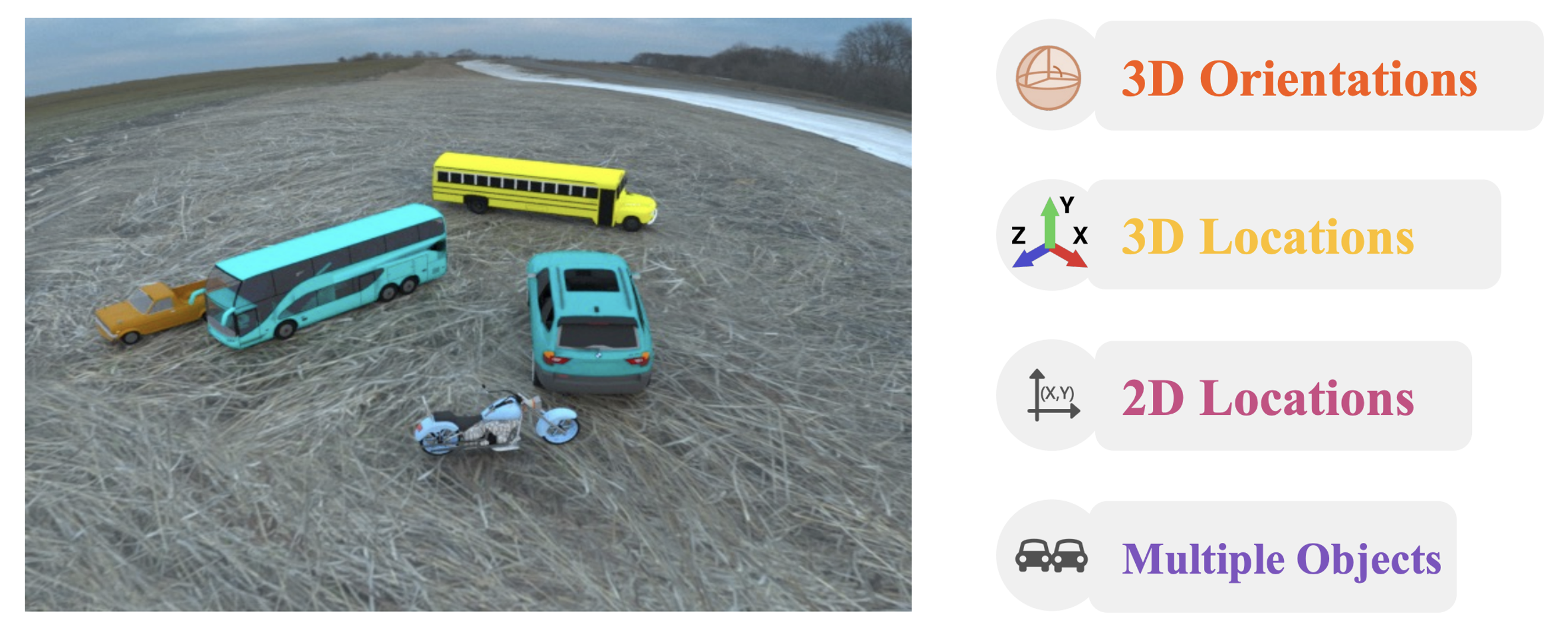
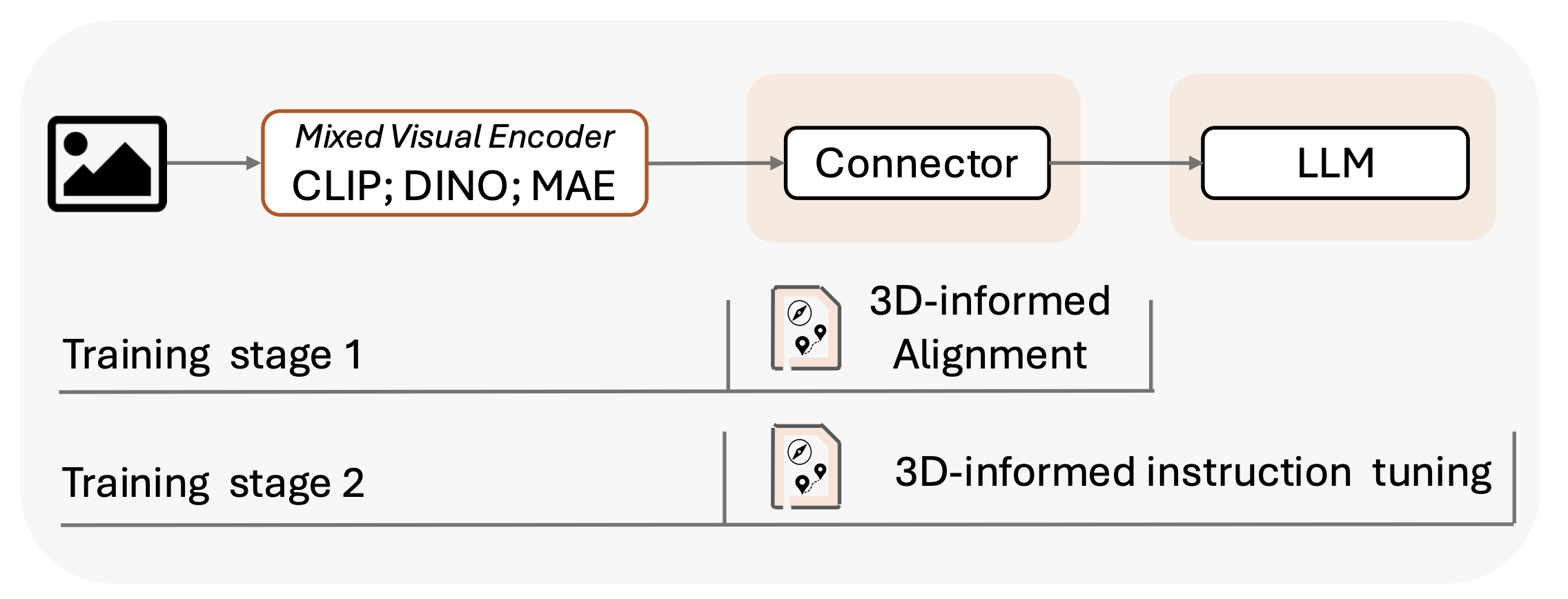
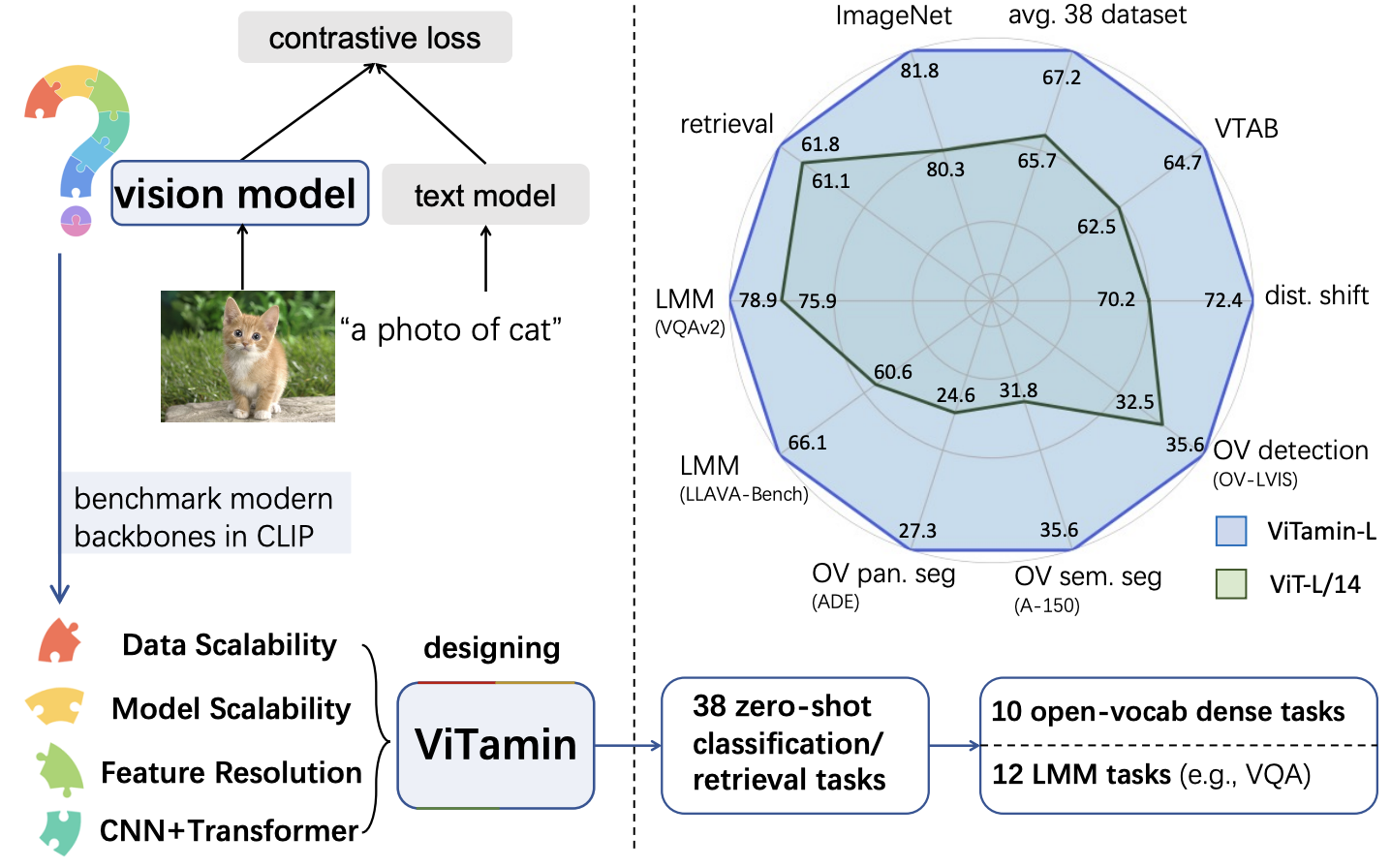
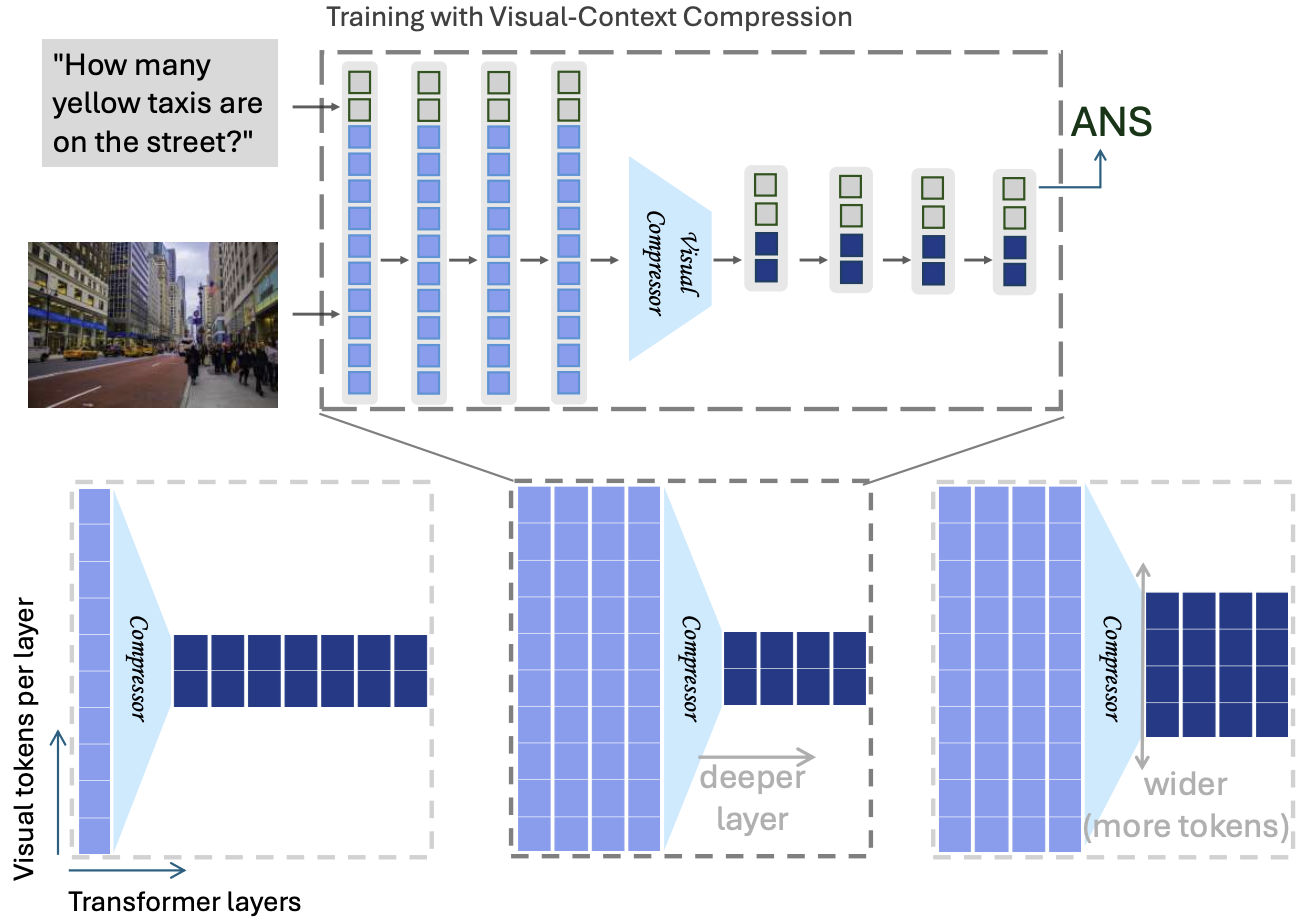
I seek fundamental representations of the physical-world observations. My work builds increasingly rich world priors through learned multimodal representations (Chen ’21, ’24, ’26) and generative representations (Lu ’25; Chen ’26). This research path aims to enable machines to reason, plan and adapt through closed-loop interaction (Zhang ’26).
Beyond representations, I apply these ideas to robots operating in complex environments and to pancreatic/liver cancer diagnosis and treatment, with the long-term goal of improving the lives of patients and their families.
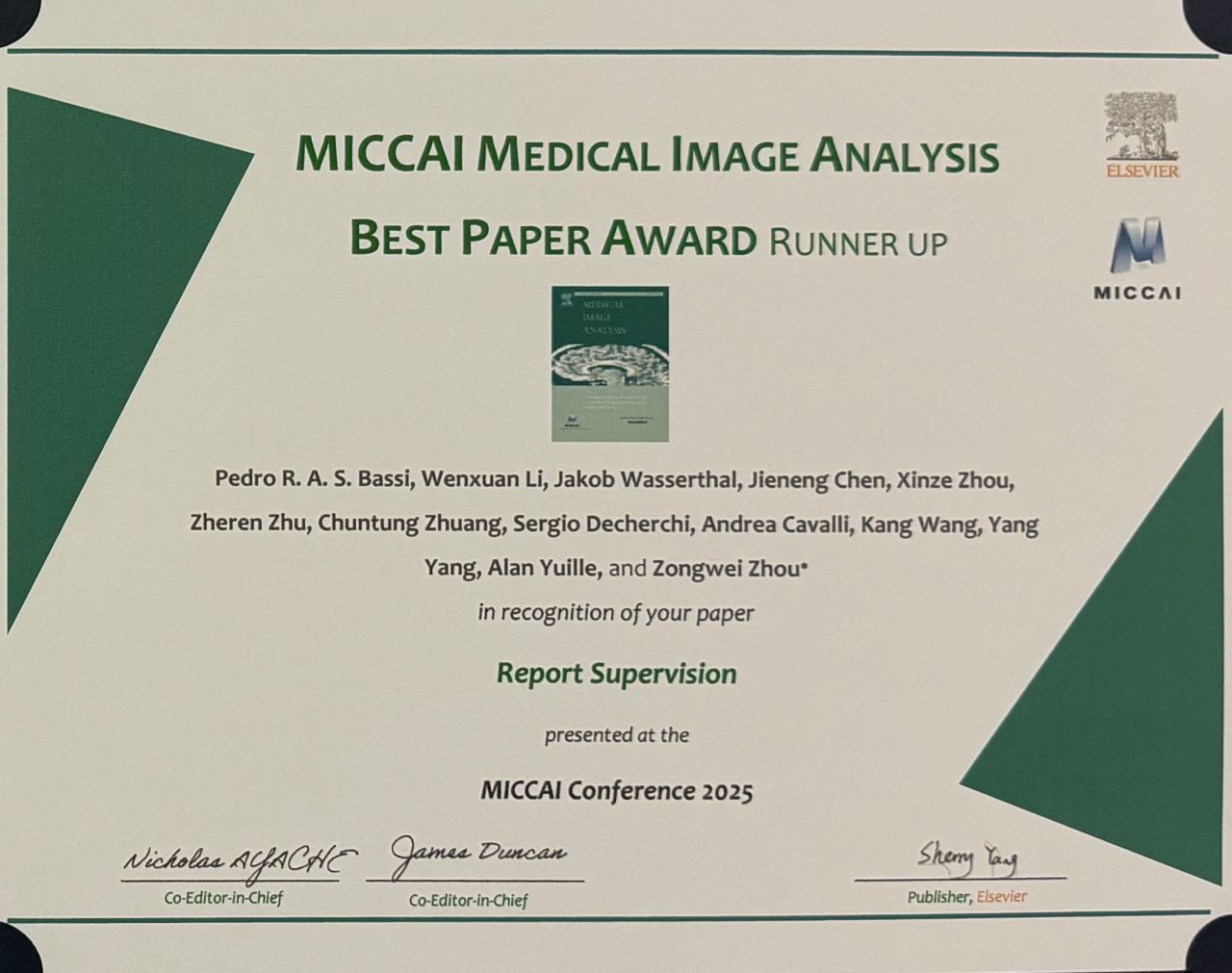
 2026 Elsevier-MedIA Best Paper Award Runner-Up (Bassi et al.)
- 2026 Elsevier-MedIA Top Cited Article (Chen et al.), listed on journal homepage
 2025 KDD Healthday Young Investigator Best Paper Award (Chen et al.)
  2025 MICCAI Best Paper Award Runner-up (Bassi et al.)
 2025 RSNA Certificate of Merit Award (Bassi et al.)
- 2025 MICCAI PhD Thesis Award (Chen et al.)
 2026 Kempner Research Fellowship
 2026 JHU Provost Thesis Completion Award
 2026 Biswas Foundation Grant
 2025 Siebel Scholar Award
 2025 NVIDIA Academic Grant
 2022 DAAD AInet Fellowship
- 2026 inaugural class of 28 Young American Scientists, Scientific American
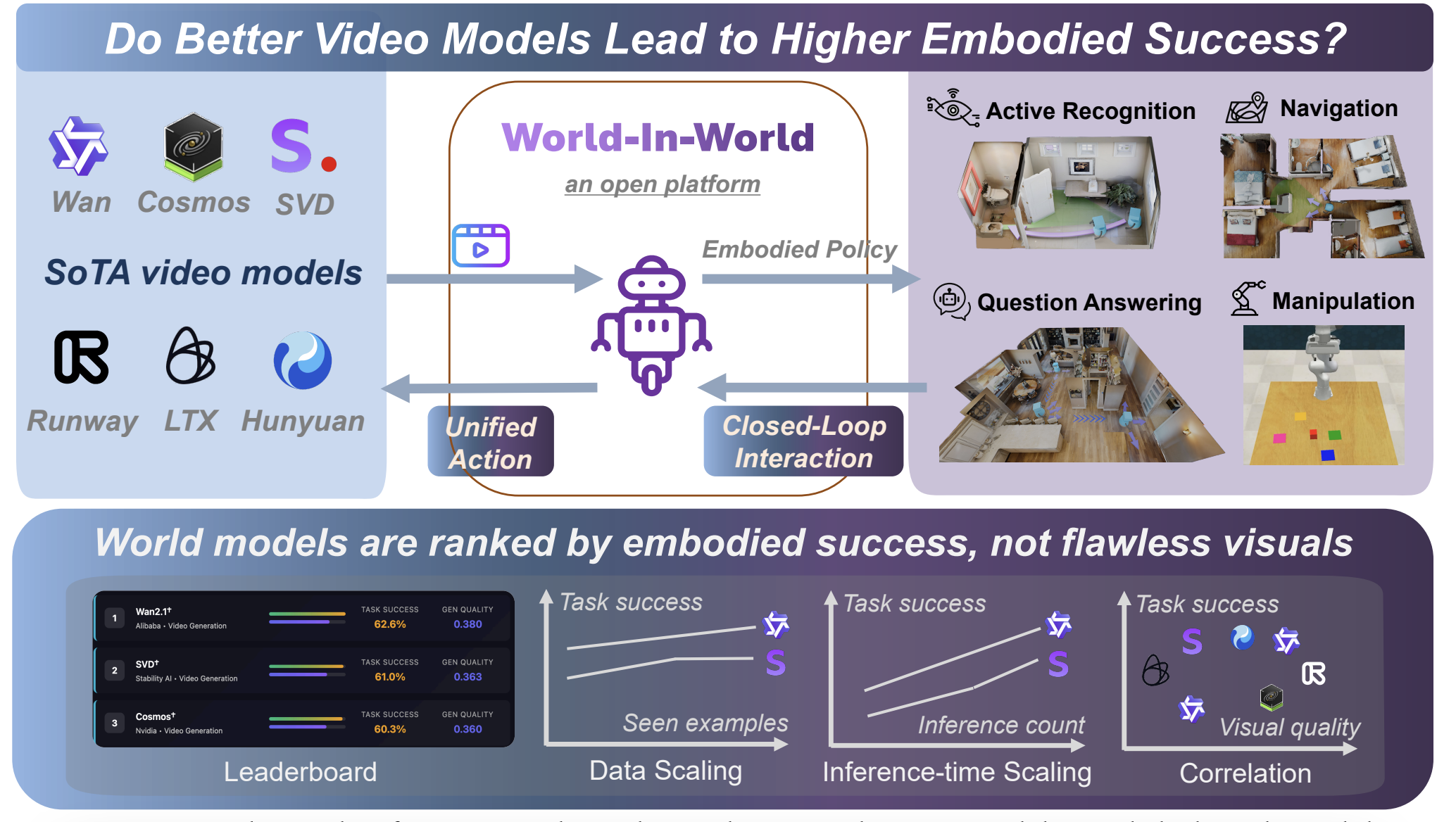 ICLR'26 Oral
Closed-loop world model — generation, perception & action in the physical world.
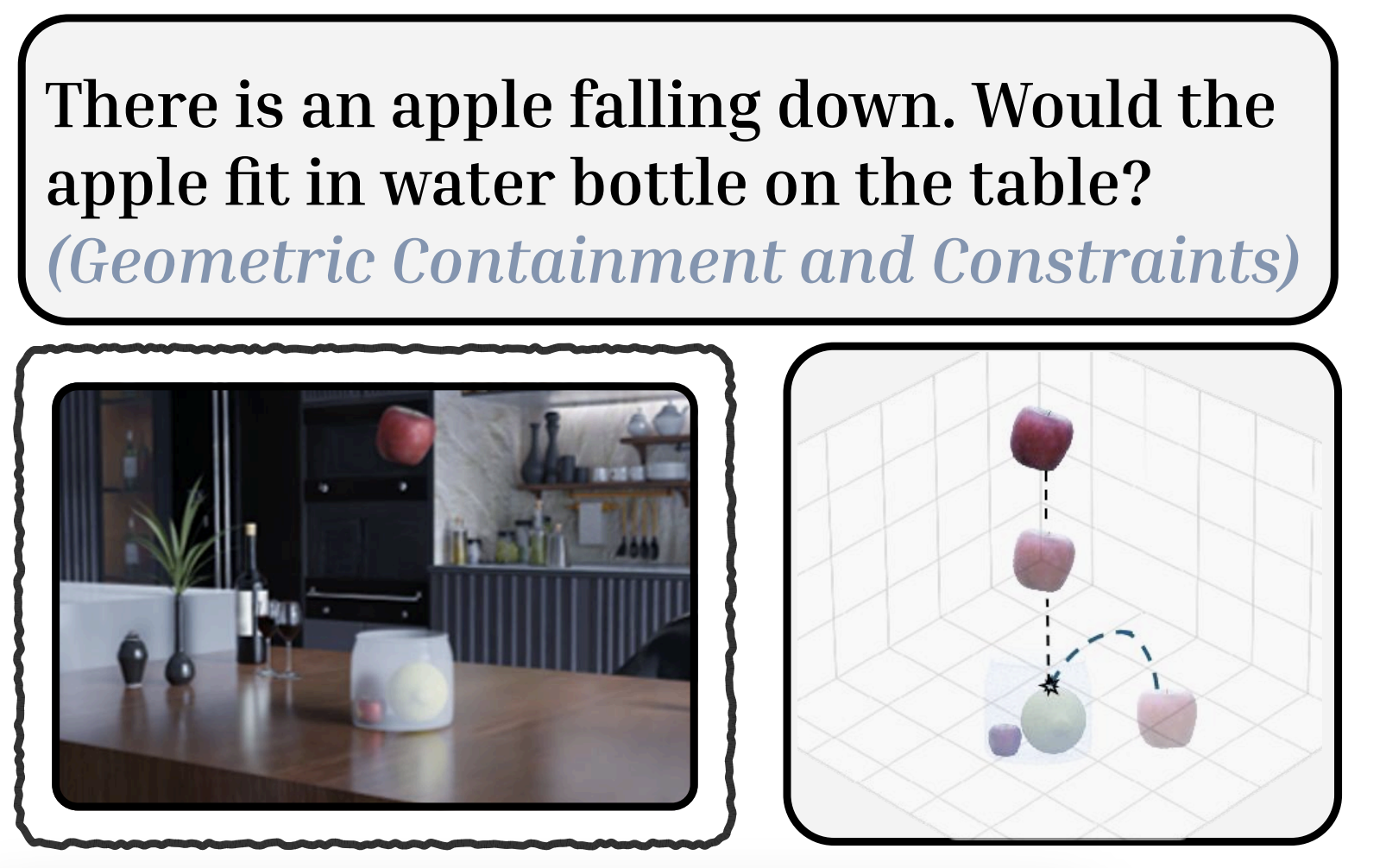 NeurIPS'26
Causal reasoning in the physical world.
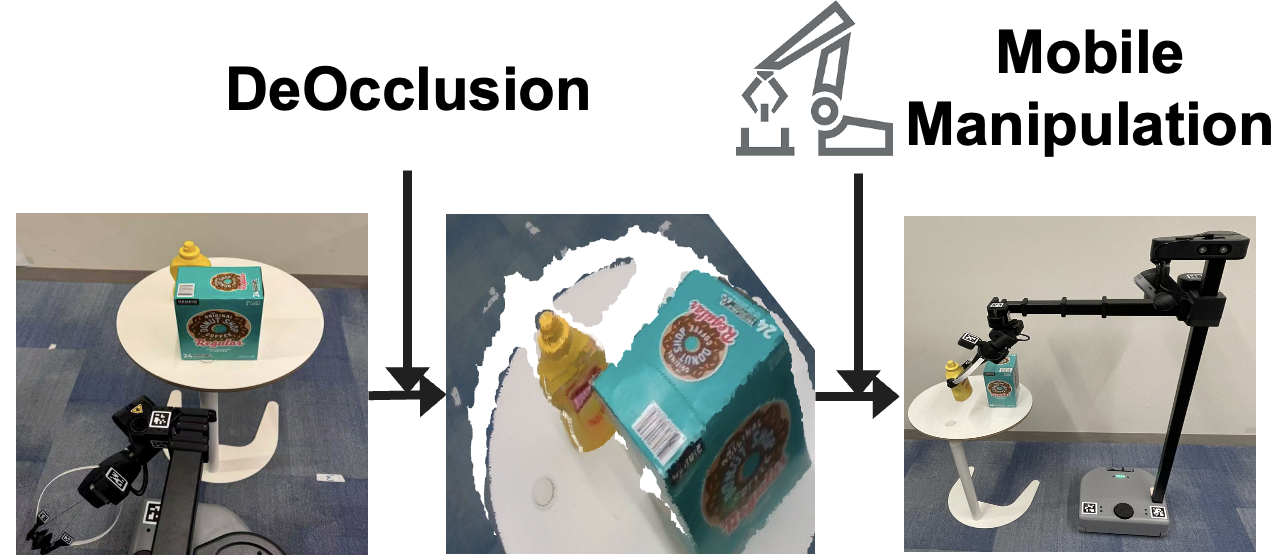
Turn a single image into an explorable 3D world. Agents navigate generated environments.
Medical World Model — generative tumor evolution simulation for personalised treatment planning.
ICLR'26 OralClosed-loop world model — generation, perception & action in the physical world.
Turn a single image into an explorable 3D world. Agents navigate generated environments.
Medical World Model — generative tumor evolution simulation for personalised treatment planning.


- Invited talk at NSF IAIFI on physics & AI, Boston.
- Lab seminar at Stanford.
- Vision seminar at UIUC.
- Guest lecture at Rice University.
- Lab seminars at Harvard / MIT / HMS / MGH / Dana-Farber.
- Talk at ICLR 2025 Workshop on Embodied Intelligence with LLMs in Open City Environment (slides).
- Talks at JHU: ChemBE, Cognitive Science, CLSP, MINDS, AIEM.
- Instructor: Machine Imagination (EN.601.208), JHU, 2025 & 2026.
- Area Chair: AAAI 2027, ICLR 2027.
- Reviewer: AAAI, CogSci, CVPR, ECCV, ICCV, ICLR, ICML (Reviewer Award), MedIA, MICCAI, Nature Machine Intelligence, NeurIPS, TAPMI, TMI
- Co-organizer: CVPR-GCV 2025/2026, CVPR-WMAS 2026, CVPR-CV4Clinical 2026, ICCV-ESR 2025.
- Inclusion: Lecture for JHU WSE Pre-College Program 2025. JHU CS mentor hours.
- I have been fortunate to mentor and collaborate with many talented undergraduate and master students whose first-author papers have appeared at leading conferences, including ICLR (Lu et al.; Zhang et al.), NeurIPS (Ma et al.), and ICCV (Yang et al.). Their accomplishments also include an Oral recognition (Zhang), a Muuss research award (Lu), and a CRA Outstanding Undergraduate Researcher Award finalist (Lu). Several have since joined PhD programs at Princeton, CMU, Johns Hopkins, UT Austin, Oxford VGG, and Northwestern.